How Sock Materials Affect Breathability and Comfort
When it comes to socks, comfort isn’t just about thickness or fit—it starts with the material. The fibers used in a sock play a major role in how breathable it feels, how well it manages moisture, and how comfortable it stays throughout the day. Whether you’re choosing everyday socks, performance styles, or custom-branded pairs, understanding sock materials helps you make smarter decisions that balance comfort, durability, and quality.
Below, we break down how common sock materials impact breathability and comfort—and what that means from a manufacturing and quality perspective.
Why Sock Material Matters More Than You Think
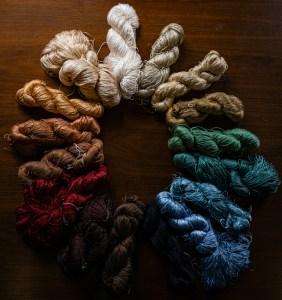
Socks sit directly against your skin for hours at a time. The wrong material can trap heat, hold moisture, and cause irritation, while the right one promotes airflow, manages sweat, and supports all-day wear.
From a manufacturing standpoint, material choice affects:
- Breathability and temperature regulation
- Moisture-wicking performance
- Softness and feel against the skin
- Durability and shape retention
- Overall perceived quality
High-quality socks aren’t defined by a single fiber—they’re built with intentional blends designed for specific use cases.
Cotton Socks: Soft but Limited Breathability
Cotton is one of the most common sock materials, especially for casual and everyday wear.
Breathability
Cotton fibers allow some airflow, making them reasonably breathable in mild conditions. However, cotton absorbs moisture rather than moving it away from the skin.
Comfort
-
Soft and familiar feel
-
Gentle on sensitive skin
-
Comfortable for low-activity, short-duration wear
Limitations
Once cotton gets wet—from sweat or humidity—it stays wet. This can lead to:
-
Reduced breathability over time
-
Increased friction and discomfort
-
A heavy or damp feel during extended wear
From a quality standpoint, cotton works best when blended with performance fibers that improve moisture management.
Wool Socks: Natural Temperature Regulation
Wool, particularly merino wool, is widely respected for its performance properties.
Breathability
Wool fibers naturally regulate temperature by allowing heat to escape while still providing insulation. This makes wool socks breathable in both warm and cool conditions.
Comfort
-
Excellent moisture-wicking (pulls sweat away from skin)
-
Naturally odor-resistant
-
Soft, non-itchy feel when using fine merino fibers
Manufacturing Considerations
High-quality wool socks require:
-
Fine-gauge yarns to reduce bulk
-
Proper blending to increase durability
-
Precision knitting to maintain softness
Wool is often chosen for premium socks because it performs consistently across a wide range of conditions.
Polyester and Synthetic Fibers: Engineered Breathability
Synthetic materials like polyester, nylon, and acrylic are designed for performance.
Breathability
While not naturally breathable like cotton or wool, synthetics excel at moisture management. They move sweat away from the skin and dry quickly, which helps maintain comfort.
Comfort
-
Lightweight feel
-
Reduced moisture buildup
-
Consistent performance during high activity
Quality Factors
Not all synthetics are equal. High-quality performance socks depend on:
-
Advanced yarn engineering
-
Proper fiber blending
-
Strategic knit structures (mesh zones, ventilation panels)
In manufacturing, synthetics allow for precise control over breathability and durability.
Nylon and Elastane: The Unsung Comfort Boosters
While rarely used alone, nylon and elastane (spandex) are critical to sock performance.
Breathability Role
These fibers don’t add breathability directly, but they enhance:
-
Fit and stretch
-
Shape retention
-
Reduced friction and bunching
Comfort Impact
-
Socks stay in place
-
Reduced pressure points
-
Better overall wear experience
High-quality socks rely on these fibers for structural support without sacrificing comfort.
Why Blended Materials Deliver the Best Results
The most breathable and comfortable socks are rarely made from a single material. Instead, manufacturers use blends to balance strengths and weaknesses.
Common high-quality blends include:
-
Cotton + polyester for everyday comfort and moisture control
-
Wool + nylon for temperature regulation and durability
Blending materials allows sock manufacturers to fine-tune performance based on how and where the socks will be worn.
How Knitting and Construction Affect Breathability
Material choice is only half the story. How the sock is made also matters.
Quality construction techniques include:
-
Mesh ventilation zones for airflow
-
Terry cushioning placed only where needed
-
Consistent stitch density to avoid hot spots
Even the best materials can underperform if the sock isn’t engineered prope
What This Means for Quality and Custom Socks
From a manufacturing and quality standpoint, breathable, comfortable socks are the result of intentional design—not shortcuts.
When evaluating sock quality, look for:
-
Purpose-driven material blends
-
Transparent fiber percentages
-
Consistent construction across pairs
-
Materials matched to intended use
For custom socks, choosing the right materials ensures your socks don’t just look good—they feel good, last longer, and reflect positively on your brand.
Final Thoughts: Comfort Starts at the Fiber Level

Sock comfort and breathability begin with material selection. Cotton, wool, synthetics, bamboo, and performance blends all offer different benefits depending on the environment and activity level.
High-quality socks are never accidental. They’re the result of thoughtful material choices, precise manufacturing, and an understanding of how fibers interact with the foot throughout the day. When you know what goes into a sock, you’re better equipped to choose pairs that deliver lasting comfort—step after step.
Frequently Asked Questions
Which socks keep feet dry?
Wool socks are the best for moisture control. Cotton & synthetic fibers will trap the moisture against your foot, while wool yarns draw it away from the foot.
What material is best for socks?
There is no “best” material for socks; it depends what characteristics you are looking for. All fibers have different attributes that may allows them to be best in certain scenarios, and worst in others. Our article above outlines the attributes of most of the common yarns use for sock construction.